

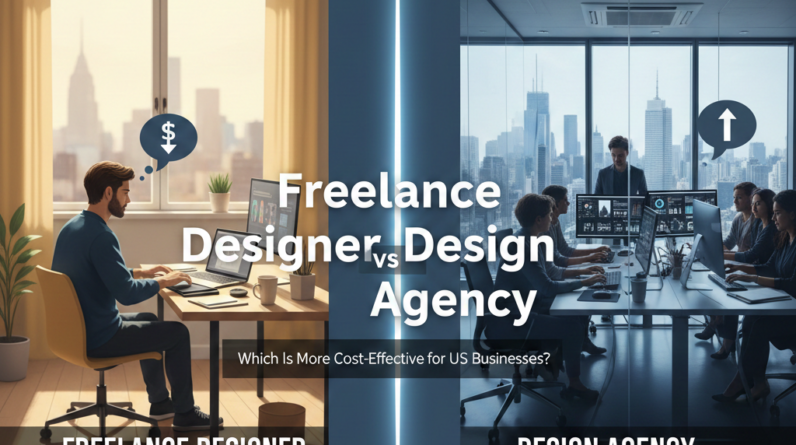
When U.S. businesses need design work—whether it’s branding, web design, or ongoing marketing assets—the same question always comes up: should you hire a freelance designer or work with a design agency? At first glance, freelancers often look cheaper. Agencies, on the other hand, promise structure, strategy, and scalability. But cost-effectiveness isn’t just about price—it’s about value, reliability, and long-term ROI.
This guide breaks down the real differences so you can choose the option that makes the most financial sense for your business.
Understanding the Core Difference
A freelance designer is an independent professional who handles projects directly with clients.
A design agency is a team-based organization offering design alongside strategy, project management, and often marketing or development services.
Both can deliver excellent results—but in very different ways.
Cost Comparison: Freelancers vs Agencies
Freelance Designers
-
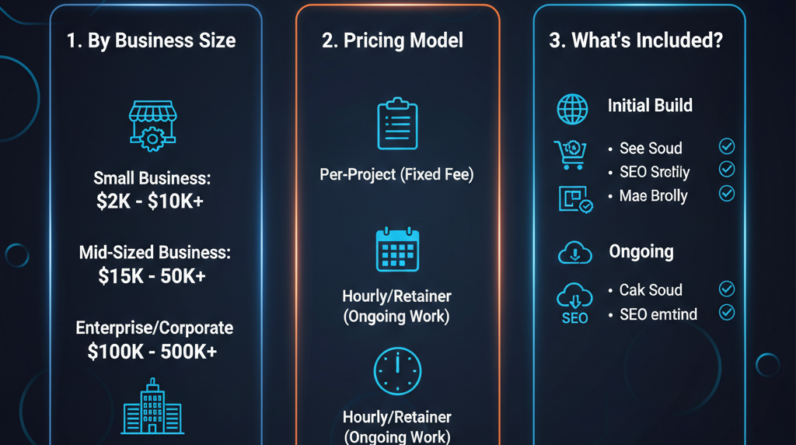
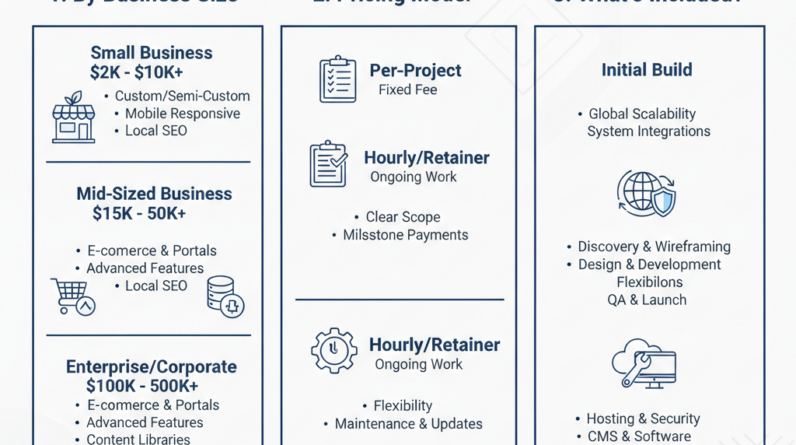
Typical cost: $30 – $120 per hour
-
Project-based work: $500 – $7,000+
-
Lower overhead means lower upfront pricing
Freelancers are generally more affordable for short-term or clearly defined projects.
Design Agencies
-
Typical cost: $100 – $250+ per hour
-
Project-based work: $5,000 – $50,000+
-
Higher pricing reflects team collaboration, strategy, and process
Agencies require a bigger investment, but often deliver more comprehensive outcomes.
What You Get for the Money
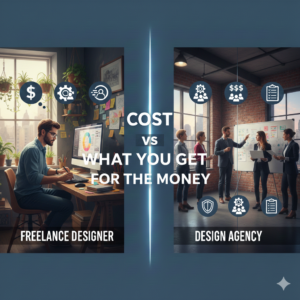
Working with a Freelance Designer
Pros:
-
Lower upfront cost
-
Direct communication
-
Flexible and fast turnaround
Cons:
-
Limited capacity (one person)
-
Skill set may be narrow
-
Higher risk if the freelancer becomes unavailable
Best for startups, small businesses, or one-off design needs.
Working with a Design Agency
Pros:
-
Access to multiple specialists (UI, UX, branding, strategy)
-
Structured process and timelines
-
Better scalability for growing businesses
-
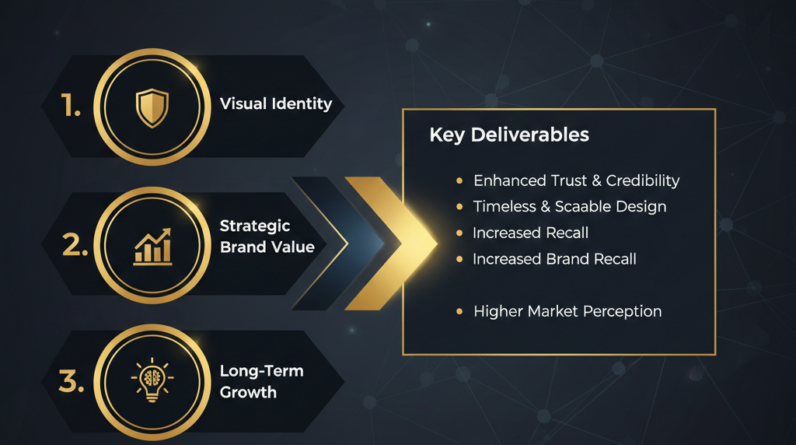
Stronger focus on business goals and ROI
Cons:
-
Higher upfront cost
-
Less flexibility for very small tasks
Best for businesses where design directly impacts revenue, growth, or brand perception.
Cost-Effectiveness Depends on Business Goals
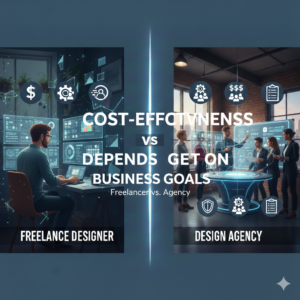
Freelancers are often more cost-effective when:
-
The project scope is small or clearly defined
-
Budget is limited
-
Speed matters more than long-term strategy
Agencies are usually more cost-effective when:
-
Design impacts conversions or brand trust
-
Projects are complex or ongoing
-
Multiple design skills are needed
-
Long-term ROI matters more than initial cost
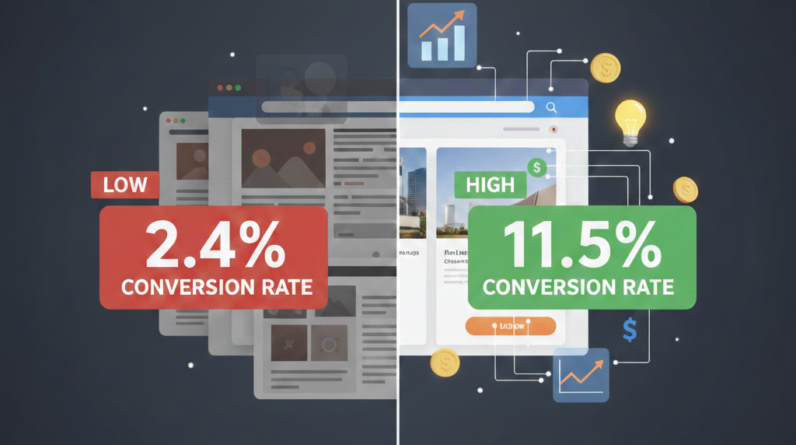
A cheaper option that underperforms can end up costing more through redesigns, lost conversions, or brand damage.
Hidden Costs Many Businesses Overlook
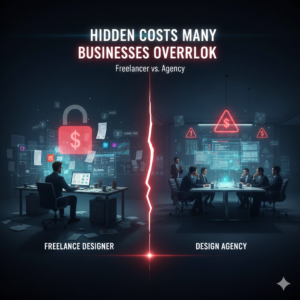
With freelancers:
-
Revisions beyond scope may cost extra
-
No built-in quality control
-
Scaling often means hiring multiple freelancers
With agencies:
-
Higher initial investment
-
Longer onboarding process
True cost-effectiveness includes time saved, results delivered, and problems avoided.
Which Option Is Right for US Businesses?

There is no universal winner. The smartest U.S. businesses choose based on stage and strategy:
-
Early-stage or budget-conscious companies often start with freelancers
-
Growing and established companies tend to shift toward agencies
Some businesses even use both—freelancers for execution, agencies for strategy and major initiatives.
Final Thoughts
Freelance designers are usually cheaper upfront, but design agencies often deliver stronger long-term value. Cost-effectiveness isn’t about who charges less—it’s about who helps your business grow faster, convert better, and build lasting trust.
The best choice is the one that aligns with your budget, goals, and growth plans.