Graphic design plays a powerful role in how a brand is perceived, trusted, and remembered. In the United States, businesses invest billions each year in graphic design services—yet many still wonder whether the price they pay truly matches the value they receive. The reality is that graphic design pricing varies widely, and understanding what’s included can help you avoid overpaying while still getting high-impact results.
This article breaks down what graphic design services cost in the USA, what those prices usually include, and how to judge whether the value matches the investment.

Average Cost of Graphic Design Services in the USA
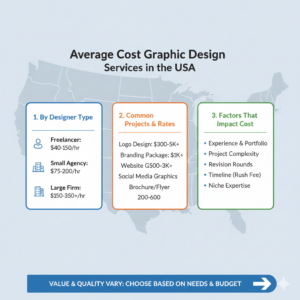
Graphic design pricing depends on experience level, project scope, and service type.
Typical price ranges:
-
Freelance designers: $30 – $100 per hour
-
Small design studios: $75 – $150 per hour
-
Established agencies: $150 – $300+ per hour
-
Project-based pricing: $500 – $10,000+ depending on complexity
Higher prices don’t just reflect visuals—they often include strategy, research, and brand alignment.
What You’re Actually Paying For
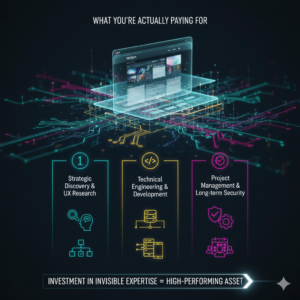
Many businesses assume they’re paying purely for design time. In reality, professional graphic design includes much more.
1. Strategy and Brand Understanding
Quality designers invest time understanding your brand, audience, and goals. This ensures designs communicate the right message—not just look attractive.
Low-cost services often skip this step, resulting in generic visuals.
2. Concept Development
Professional design involves brainstorming, sketching, and testing ideas before final execution. This creative process is where originality and differentiation are built.
Cheap design usually relies on templates or recycled concepts.
3. Technical Skill and Execution
Experienced designers understand typography, layout, color psychology, and visual hierarchy. These details directly affect readability, trust, and engagement.
Amateur design often looks “fine” but fails to convert or build credibility.
4. Revisions and Collaboration
Higher-priced services usually include structured feedback rounds and refinements. This ensures the final result aligns with your expectations.
Lower-cost options may limit revisions or charge extra for changes.
5. File Quality and Usability
Professional designers deliver:
-
Print-ready and web-optimized files
-
Editable source files
-
Consistent branding assets
Cheap services often provide only basic exports, limiting future use.
What Cheap Graphic Design Usually Gets You

Low-budget design can work for short-term or internal needs, but it often comes with trade-offs:
-
Template-based layouts
-
Minimal brand strategy
-
Limited originality
-
Inconsistent quality
-
Weak conversion impact
It may save money upfront, but can cost more later if redesigns are needed.
What Premium Graphic Design Delivers
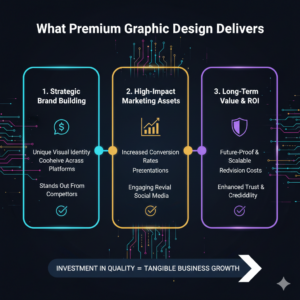
Higher-end graphic design services focus on business outcomes, not just aesthetics:
-
Strong brand positioning
-
Visual consistency across platforms
-
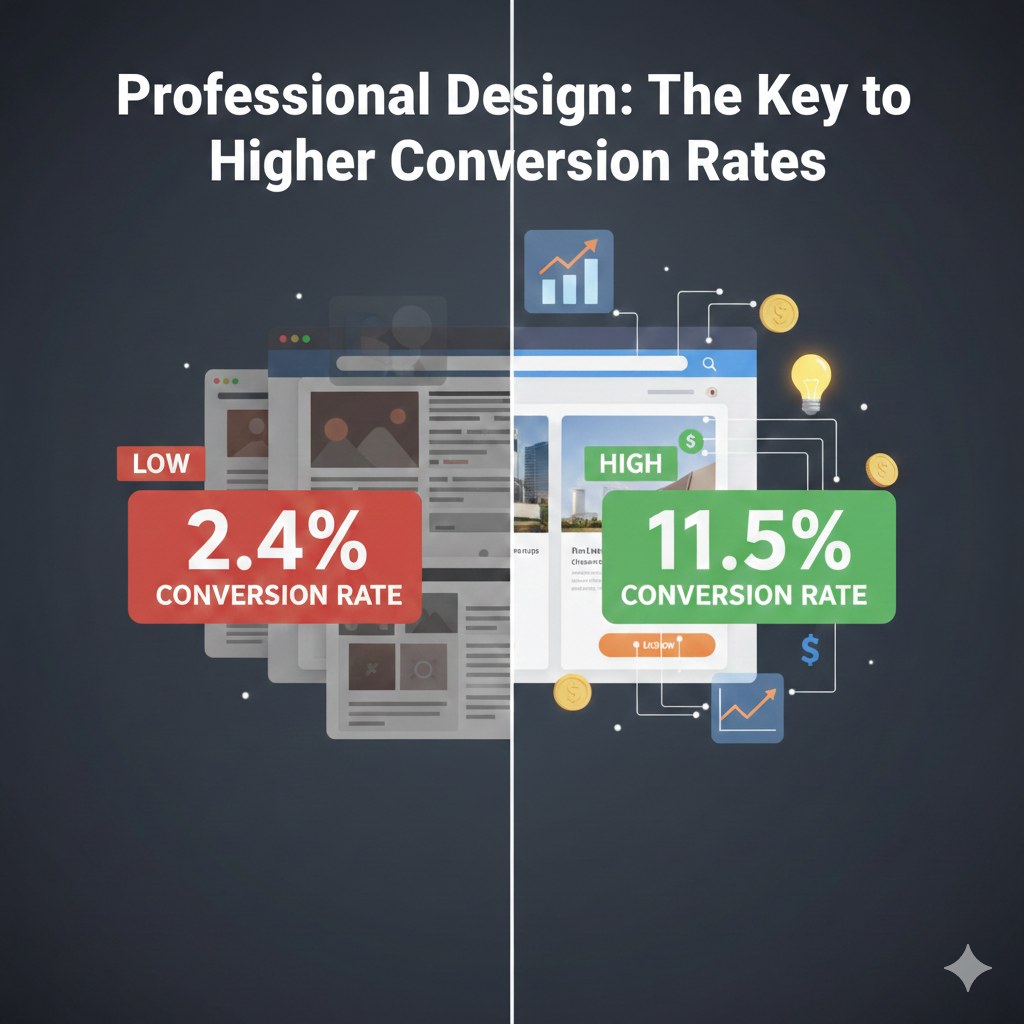
Higher engagement and conversion rates
-
Long-term usability and scalability
For marketing campaigns, product launches, or brand identity work, premium design often delivers a much stronger ROI.
How to Decide What Level of Service You Need
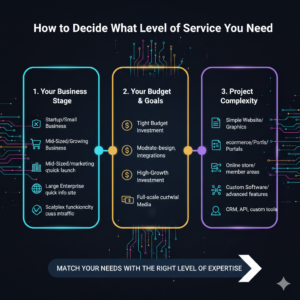
Ask yourself:
-
Is this design customer-facing or internal?
-
Will it directly affect sales or brand trust?
-
Is this a one-time asset or long-term brand element?
If the design influences revenue or credibility, investing more usually makes sense.
Final Thoughts
Graphic design services in the USA aren’t priced randomly—you’re paying for thinking, experience, and impact, not just visuals. The real value lies in how effectively the design communicates, converts, and strengthens your brand over time.
When chosen wisely, graphic design isn’t an expense—it’s a strategic investment that continues to pay off long after delivery.